

































Welcome To The 2nd Nuclear Era®

Scroll to begin
“To deny a rebirth of nuclear energy is to deny human ingenuity and aspiration… I believe that this struggling ingenuity will be equal to the task of creating the Second Nuclear Era.”
Alvin M. Weinberg

What is Curio?

Curio is closing the nuclear fuel cycle by recycling spent fuel into clean energy for the next generation of small modular reactors.

Its NuCycle technology recovers the ~96% of energy still in America's used fuel, feeding a family of advanced fuels and reactors across six divisions.

Changing the future of nuclear means thinking differently

At CURIO, we are dedicated to ushering in the 2nd Nuclear Era® by unleashing the full potential of the atom. This means clean energy, substantially lower environmental footprint, and advanced technologies. Energy use remains the foremost indicator of economic prosperity and energy access promotes human rights. We envision a future of plenty that is powered with clean, sustainable nuclear energy.

Scalable Energy Using Nuclear Waste

Our patented technology eliminates the risk of plutonium while also using already existing material. With spent nuclear fuel already in storage, our technology can usher in a new age of nuclear power that is already ready to go.

What is NuCycle?
NuCycle
NuCycle is Curio’s nuclear-fuel recycling technology that converts spent nuclear fuel into usable fuel for advanced reactors. It recovers the ~96% of energy remaining in used fuel without producing a pure plutonium stream, using chemistries that avoid organic solvents entirely. Bench-scale demonstration was completed in 2025.
What is FLEX?
FLEX
FLEX is Curio’s defense reactor platform — resilient, transportable nuclear power for installations and operations that cannot afford to go dark. It is built on the same closed fuel cycle that powers the Second Nuclear Era. The division is being formalized; program details are forthcoming.
What is HALO?
HALO
HALO applies Curio’s fuel-cycle technology to the missions that safeguard the nation — energy security, nonproliferation, and strategic materials. A closed fuel cycle keeps American material under American safeguards. The division is being formalized; program details are forthcoming.

We use a fraction of the fuel. The rest is still energy.

0%

of the energy in spent nuclear fuel is still there — untapped, sitting in storage today.

4% used today96% recoverable
0

metric tons of transuranic isotopes accumulate in American spent nuclear fuel every year.

0%

capacity factor targeted for the next generation of advanced reactors.

0%

of the global capacity of natural gas reserves — the energy equivalency accumulating annually.

Nearly a century of nuclear history, rewritten for the future

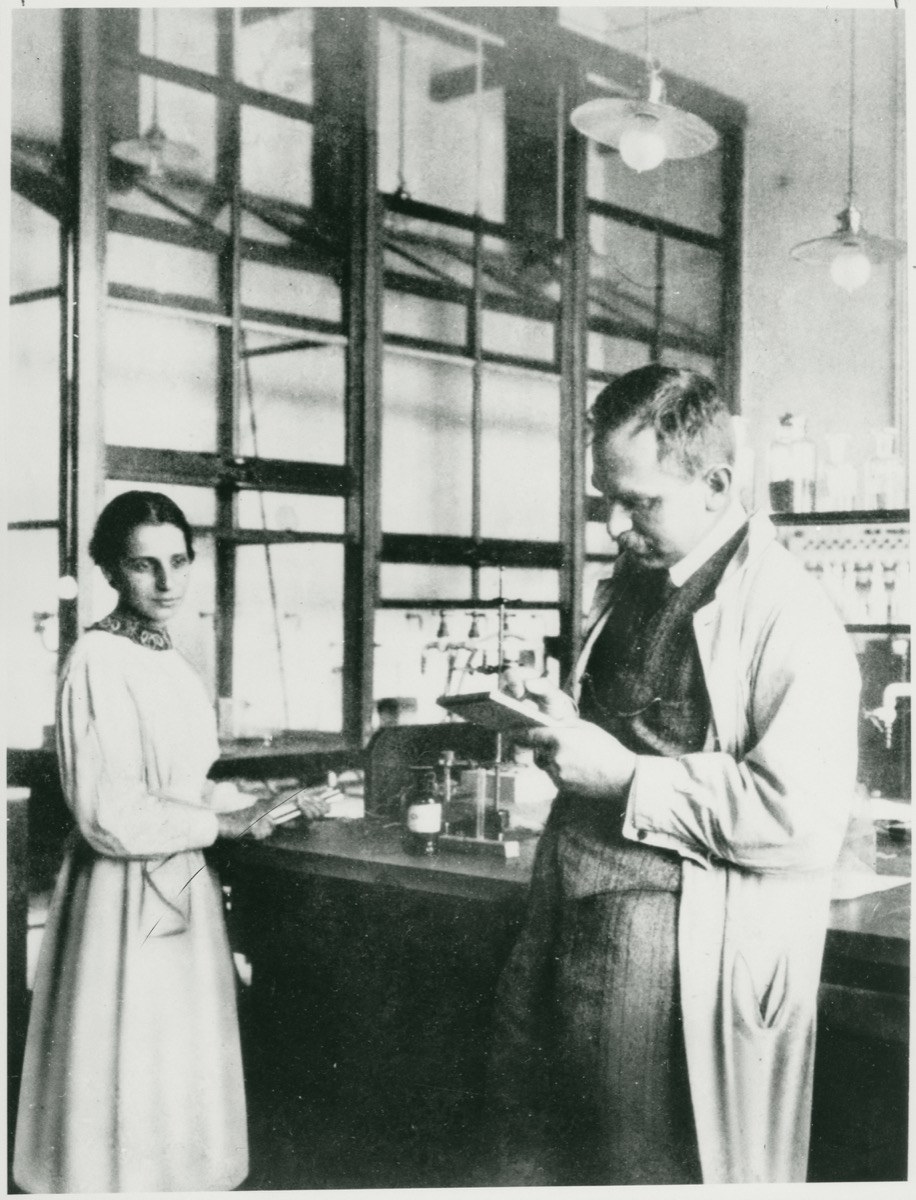
Otto Hahn and Lise Meitner in their laboratory, 1913
Hahn & Meitner —
the lab where fission was understood

The Discovery 1938

Nuclear Fission Unlocked

Otto Hahn and Lise Meitner demonstrate that uranium nuclei can be split, releasing extraordinary amounts of energy. A single kilogram of uranium holds the energy equivalent of 3,000 tons of coal. The physics of abundance, hiding in plain sight.

1 kg uranium = 3,000 tons of coal
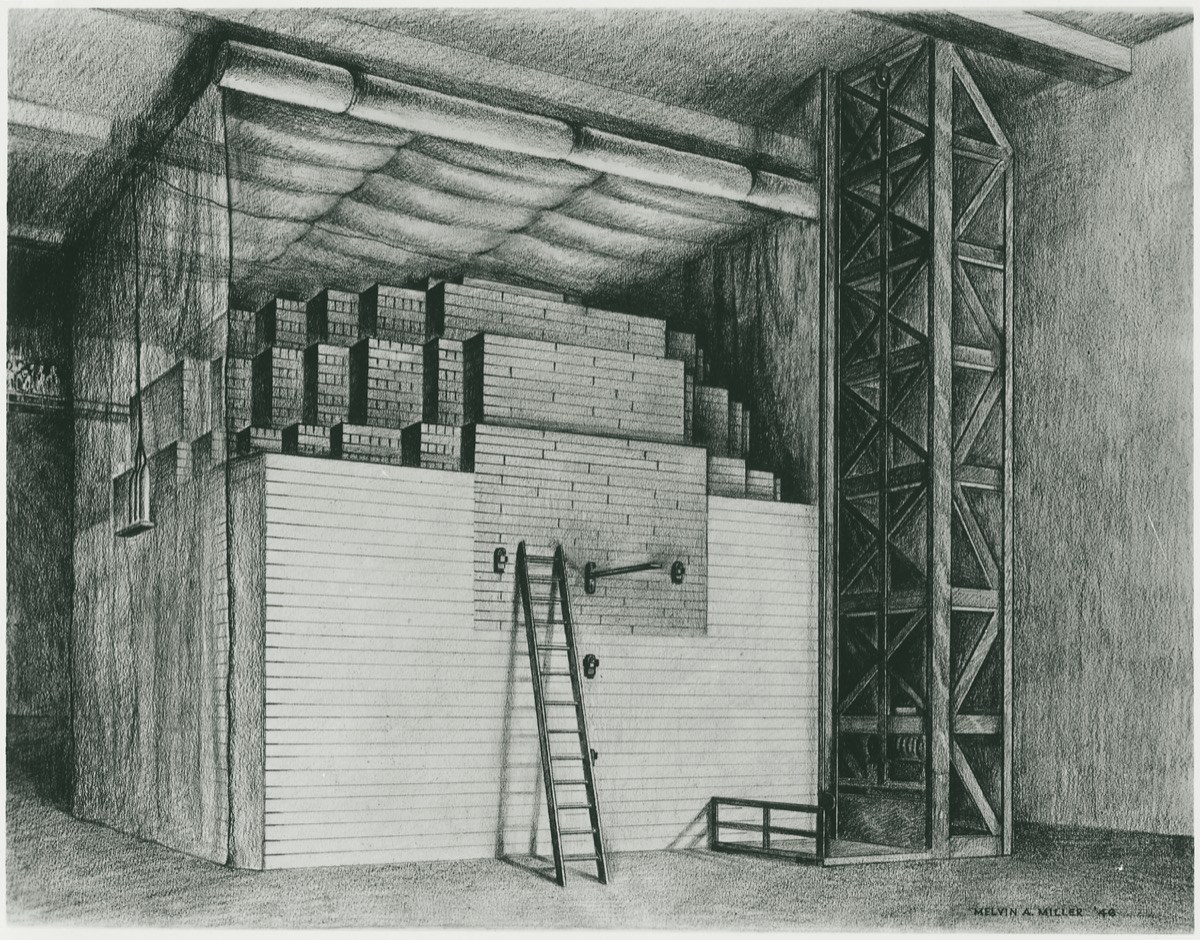
Replica of Chicago Pile-1 at Stagg Field, University of Chicago
Stagg Field —
first chain reaction goes critical

First Reaction 1942

Chicago Pile-1 Goes Critical

Enrico Fermi and his team achieve the first controlled, self-sustaining nuclear chain reaction beneath Stagg Field in Chicago. Humanity's first deliberate release of nuclear energy — and proof that it could be controlled.

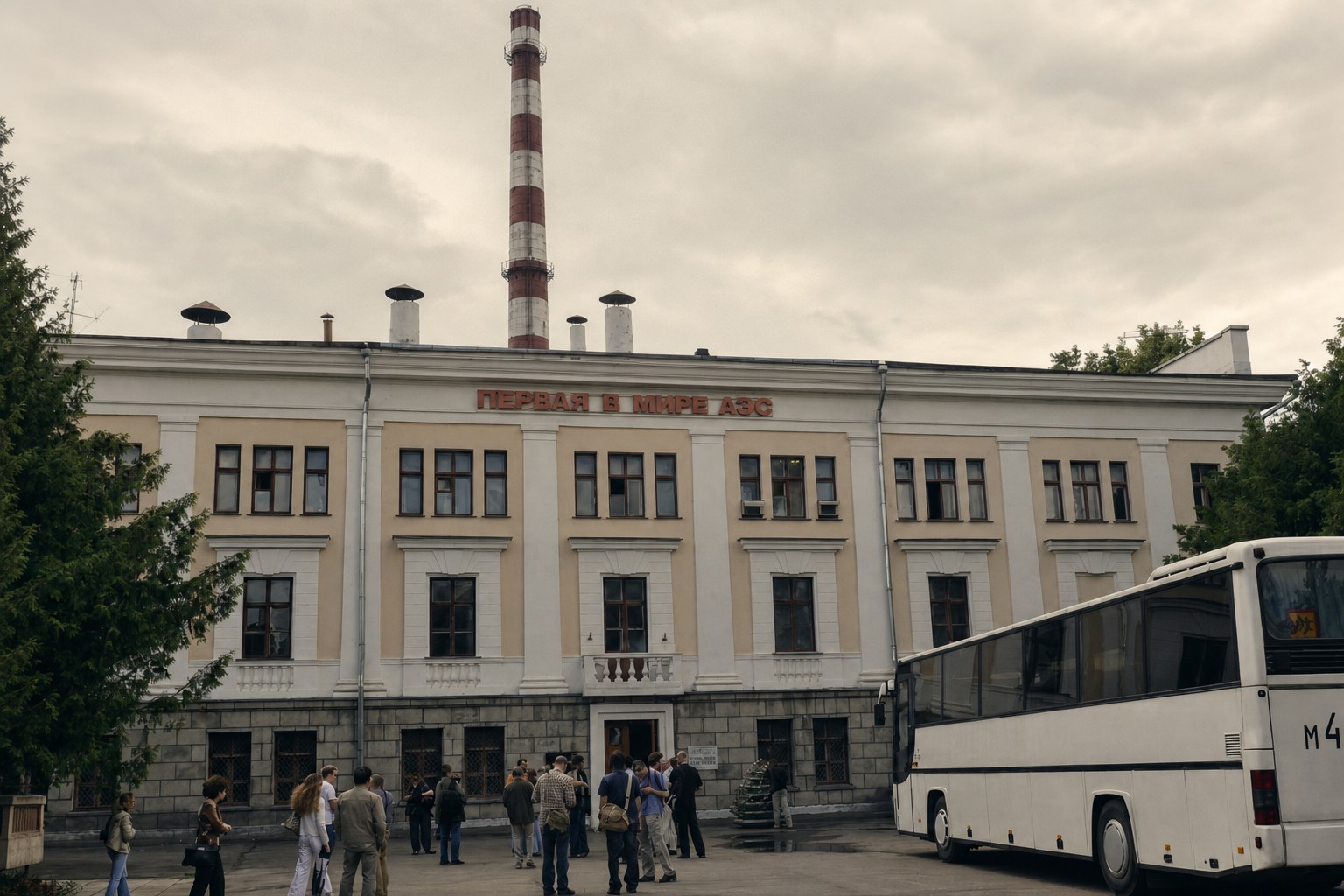
Obninsk AES — the world's first grid-connected nuclear power plant, 1954
Obninsk —
first reactor on a city grid

The First Era 1954

Atoms for Peace

The USSR's Obninsk plant becomes the world's first grid-connected nuclear power station. President Eisenhower launches Atoms for Peace, redirecting atomic science toward civilian power. The first nuclear era begins — optimistic, bold, and full of promise.

Browns Ferry Nuclear Power Plant on the Tennessee River
Reactors multiply —
open fuel cycle remains

Scaling Up 1970s

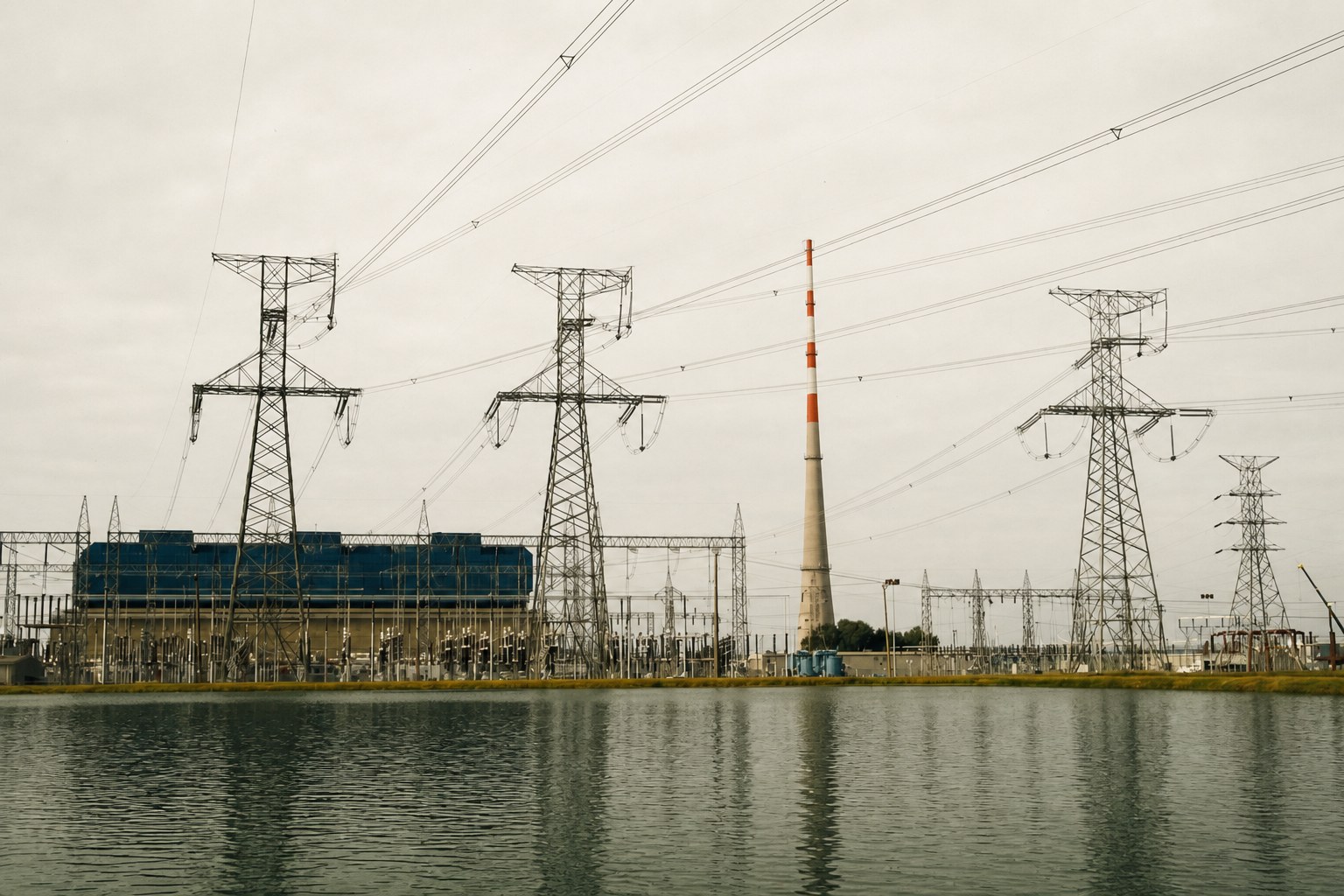
Nuclear Powers the Grid

More than 200 reactors come online across the U.S., Europe, and Asia. Nuclear briefly represents the most ambitious energy buildout in human history. The fuel cycle remains open. Spent rods accumulate in temporary storage, their remaining 96% of energy stranded.

96% of fuel energy remains unused
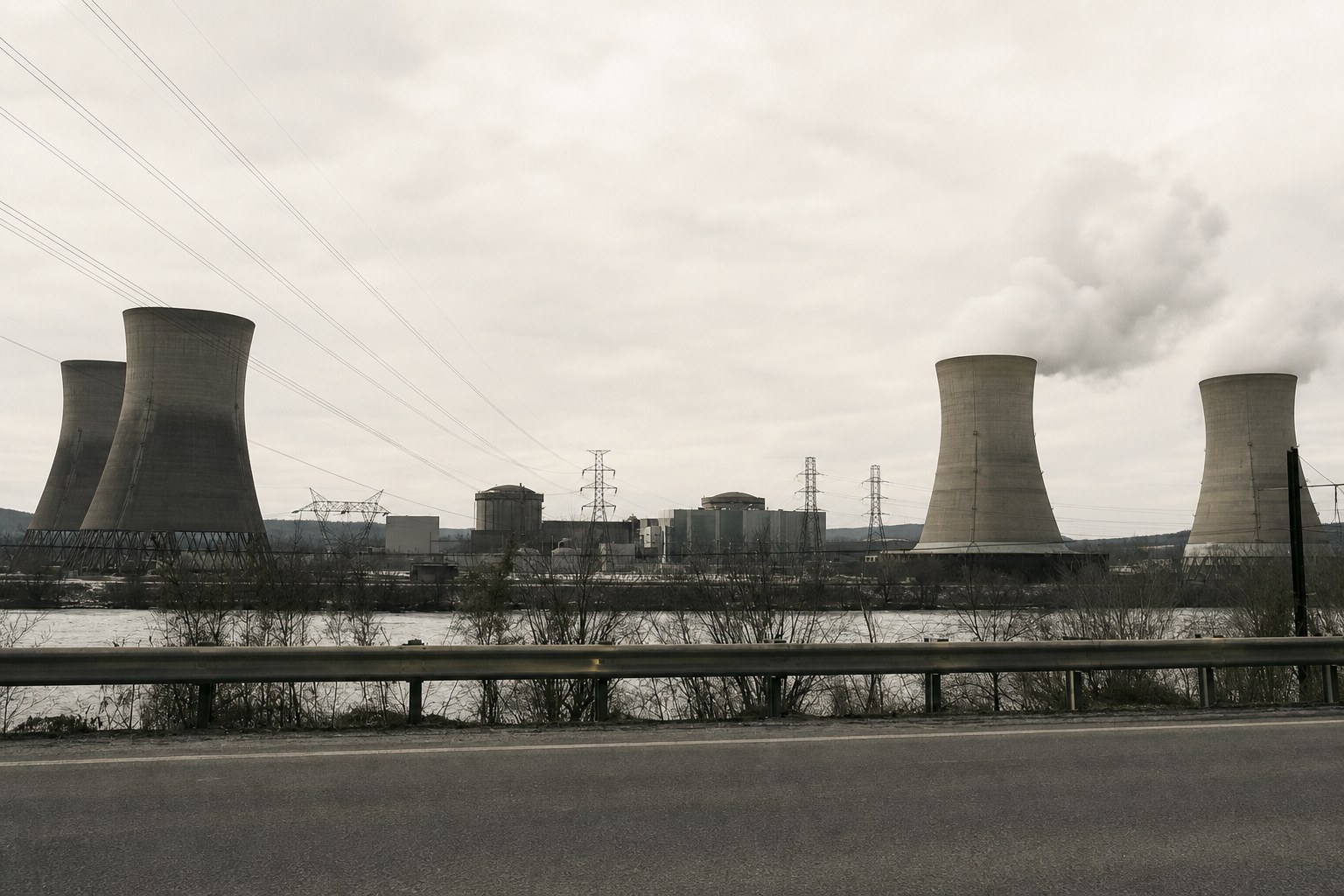
Three Mile Island Nuclear Generating Station, Pennsylvania
Public trust fractures —
construction stalls worldwide

The Pause 1979–86

Three Mile Island & Chernobyl

Two major incidents reshape public perception of nuclear energy. Construction slows. Policy changes. The conversation shifts from abundance to caution. The spent fuel problem doesn't pause with it. The waste keeps accumulating, year after year.

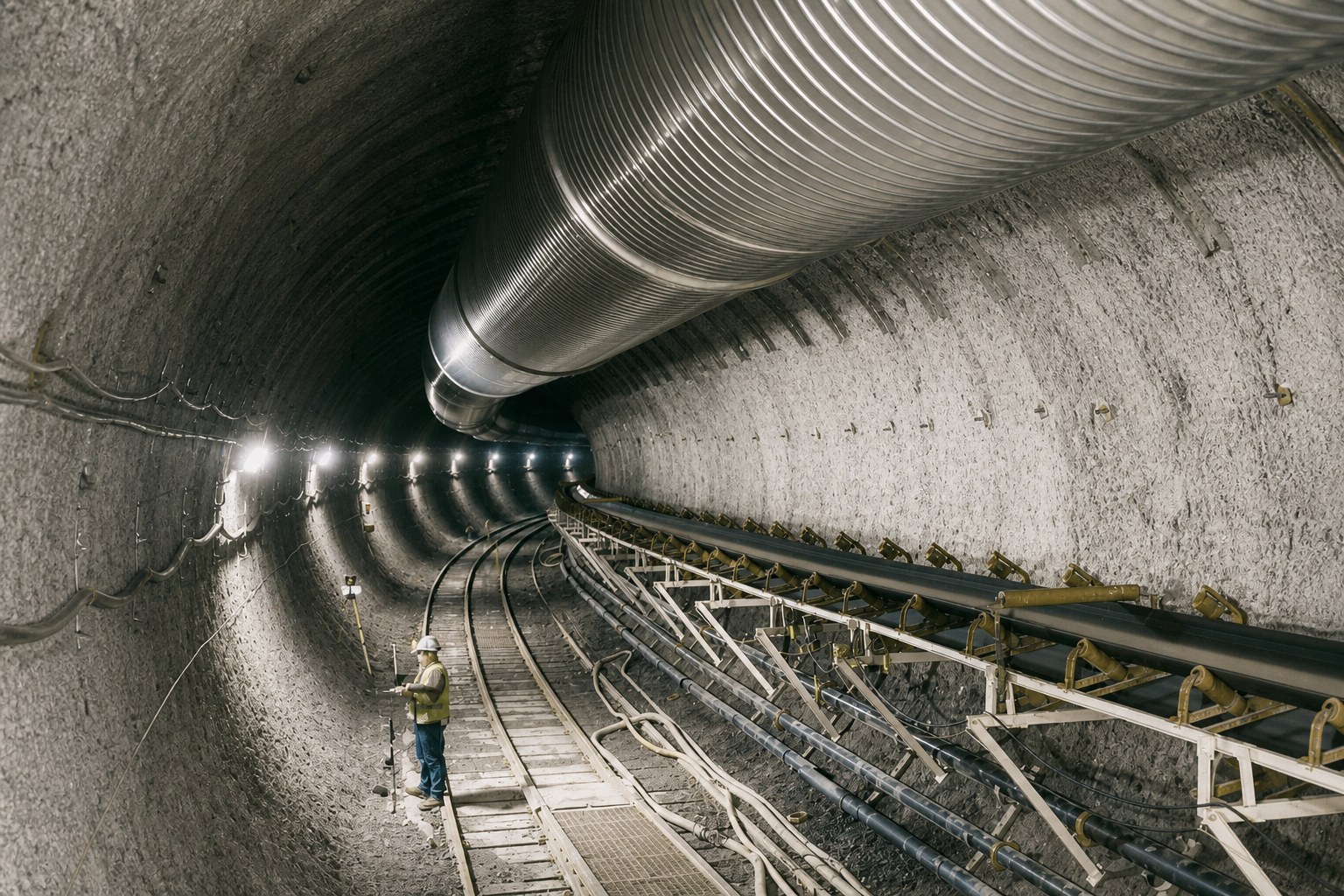
Tunnel entrance at the Yucca Mountain nuclear waste repository site
Yucca Mountain designated —
the plan never finishes

The Unresolved Problem 1987

The Nuclear Waste Policy Act

The U.S. designates Yucca Mountain as the site for permanent spent fuel storage. The plan stalls. Decades later, 90,000 metric tons of spent nuclear fuel sit in temporary storage across 75 sites in 33 states. Each rod still carrying the energy of the future inside it.

90,000 metric tons waiting
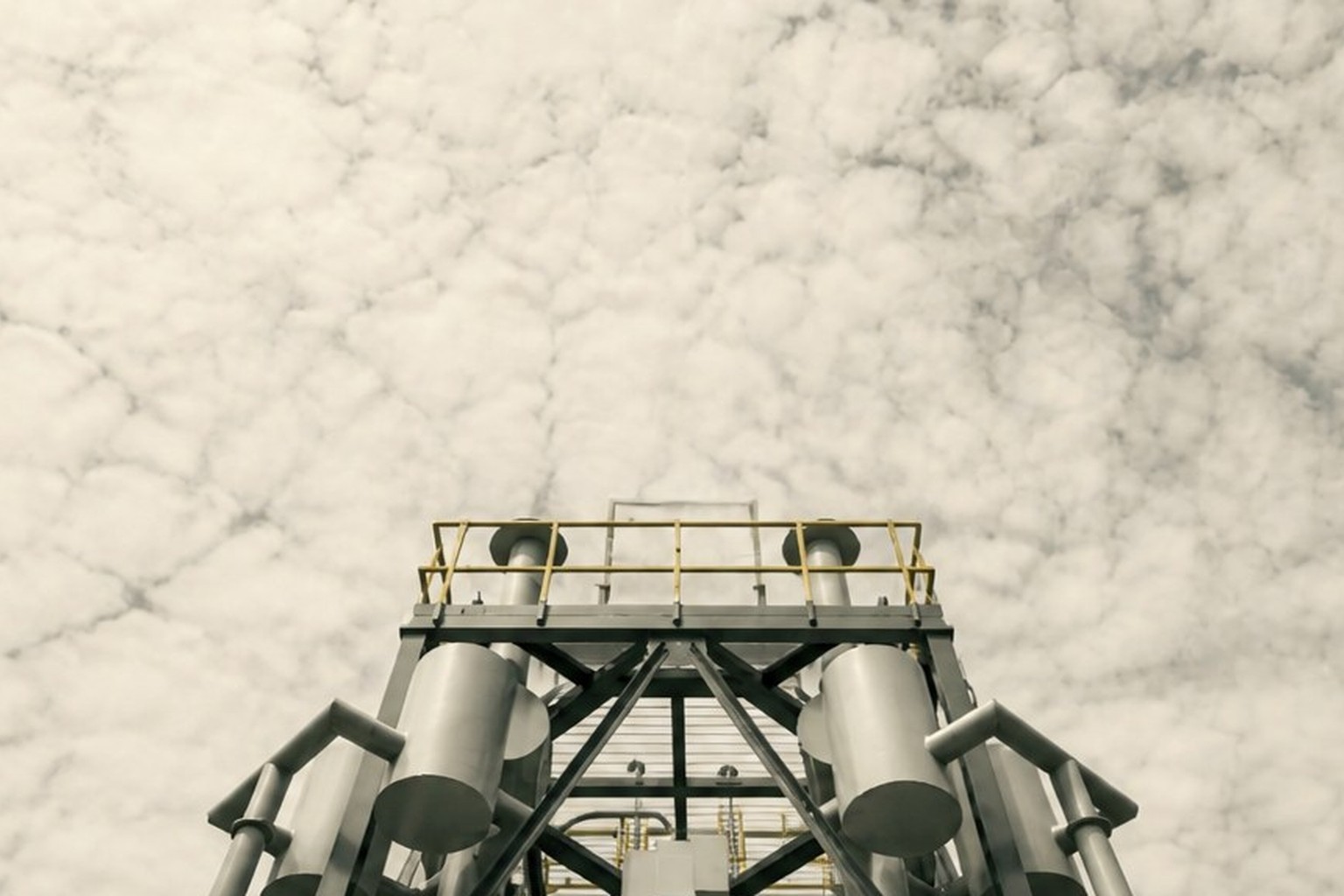
Small modular reactor upper assembly against an overcast sky
SMRs —
built for recycled fuels

The Rethink 2010s

Small Modular Reactors Emerge

A new generation of engineers begins designing reactors that are smaller, safer, faster to deploy, and purpose-built to run on advanced fuels — including recycled spent fuel. The technology for a closed fuel cycle finally begins to match the ambition of the original nuclear promise.

Curio campus — documentary still from the mission film

The Second Nuclear Era 2025

Curio Closes the Cycle

Curio completes bench-scale demonstration of NuCycle, the technology that recycles spent nuclear fuel into usable fuel for SMRs. Executive orders embrace the closed fuel cycle. The U.S. Department of Energy partners with Curio to scale. The power was always there. Now we use it.

Bench demonstration complete — 2025
01 / 08

Go deeper

Ask an AI about Curio

Take this page to the answer engine you already use — the prompt is ready.